Knocking down walls sounds great until you realize your sofa is now staring at a pile of dirty dishes.
Open-concept living is a beautiful, airy dream, but it requires a bit of strategy to keep it from looking like a furniture warehouse sale.
I’ve lived through the “where does the rug go?” crisis so you don’t have to.
Let’s make your space feel intentional and cozy.
1. Define Zones with Area Rugs
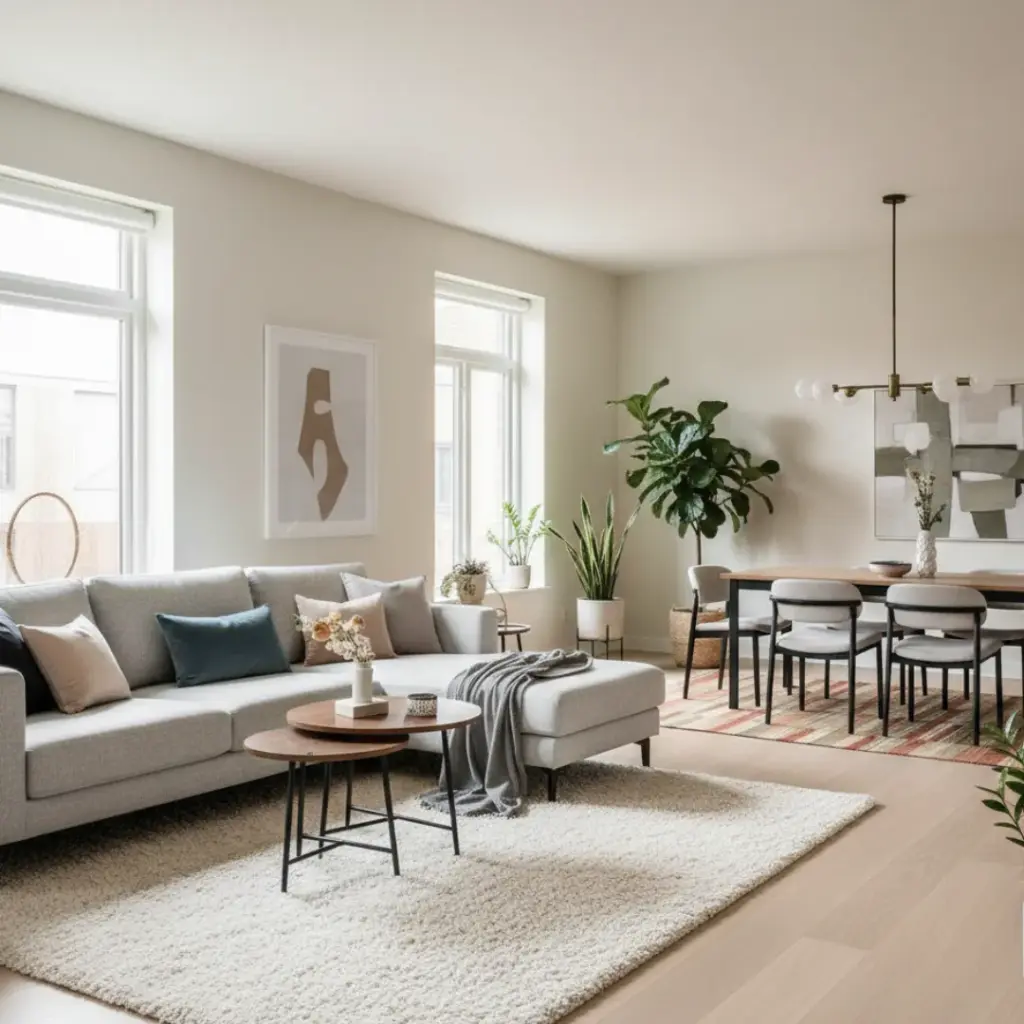
Rugs act as the “invisible walls” of an open floor plan.
Without them, your furniture just looks like it’s floating in a sea of hardwood or tile.
I recommend choosing different textures for the living and dining areas to create a visual break.
Pro tip: Ensure all furniture legs sit on the rug to anchor the space properly.
This simple trick instantly makes a massive room feel intimate and organized.
2. Use Lighting as a Border
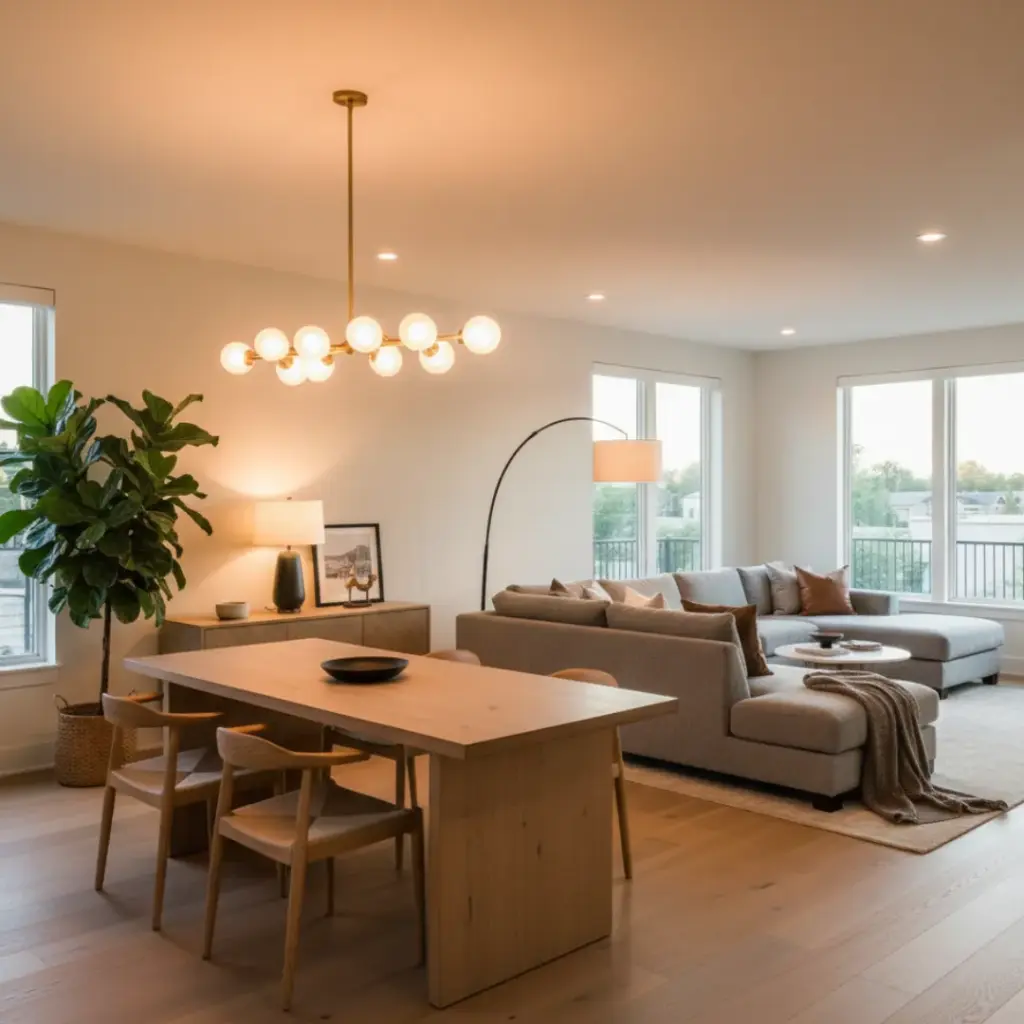
You can’t just rely on a single overhead light in a massive open space.
I love using a statement chandelier over the dining table and recessed lighting in the living area.
This tells your brain—and your guests—exactly where one “room” ends and another begins.
Ever noticed how a dim corner makes the whole house feel unfinished?
Layer your lamps, pendants, and floor lights to create depth and warmth throughout the day.
3. The Power of the Sofa Console
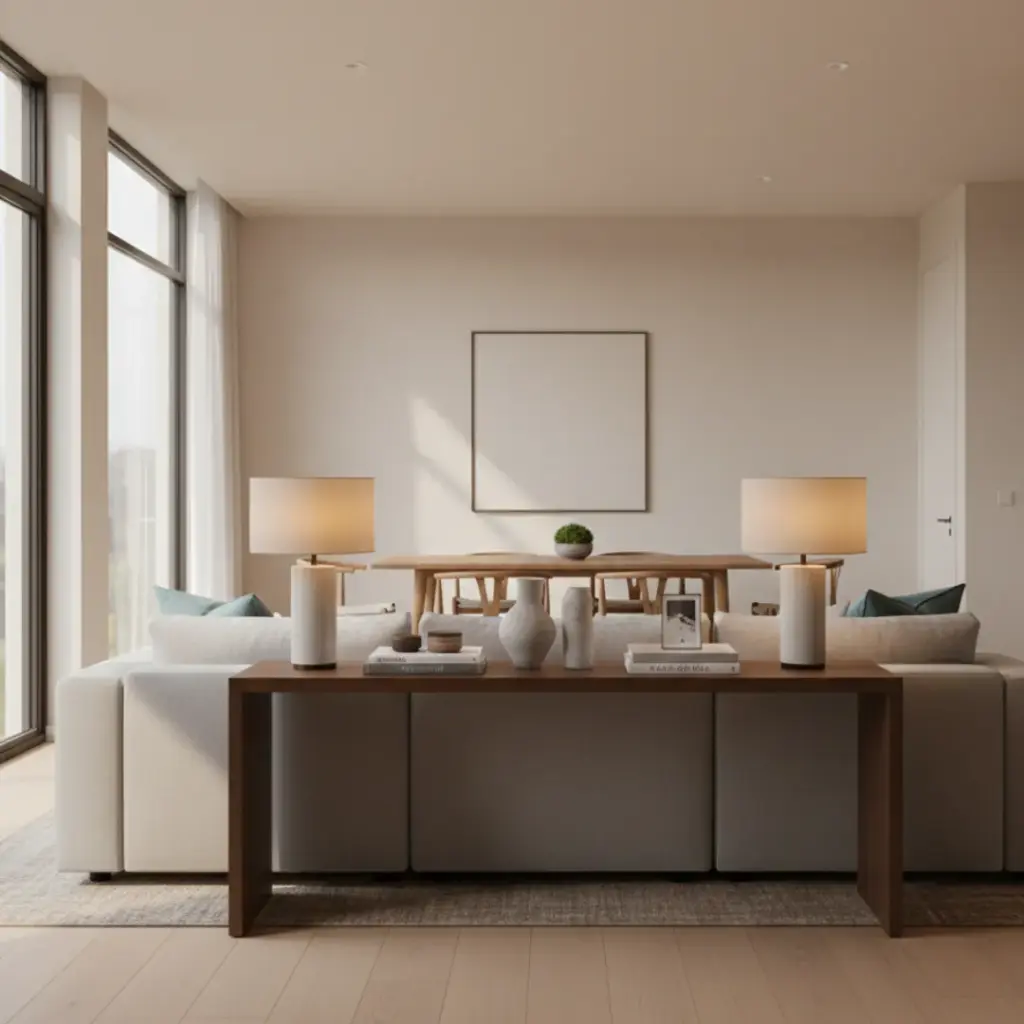
Placing a long, slim console table behind your sofa is a total game-changer.
It creates a physical barrier between the lounging area and the walkway or dining space.
It’s also the perfect spot for a couple of lamps or that “fancy” decor you’re afraid the dog will knock over.
IMO, this is the most underrated piece of furniture for open layouts :).
It keeps the back of the sofa from looking like a giant, fabric-covered wall.
4. Maintain a Consistent Color Palette
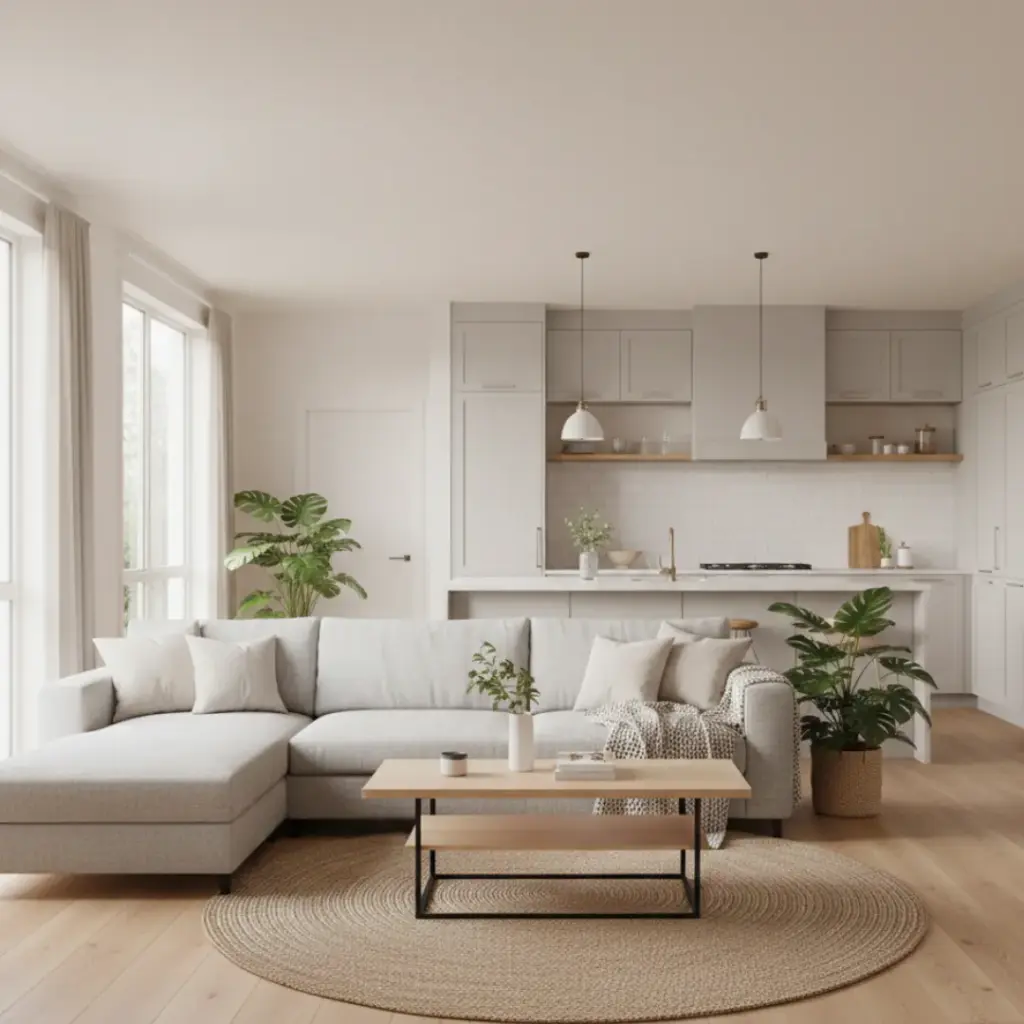
You don’t want your kitchen to scream “neon 80s” while your living room is “moody Victorian.”
I suggest picking one neutral base color for the entire space and using accents to differentiate zones.
This creates a flow that feels sophisticated rather than chaotic.
Why this works:
- It creates a cohesive visual narrative.
- The space feels larger when the eye isn’t “tripping” over clashing colors.
- You can easily swap accessories between “rooms” without a total redesign.
5. Master the Art of Scale
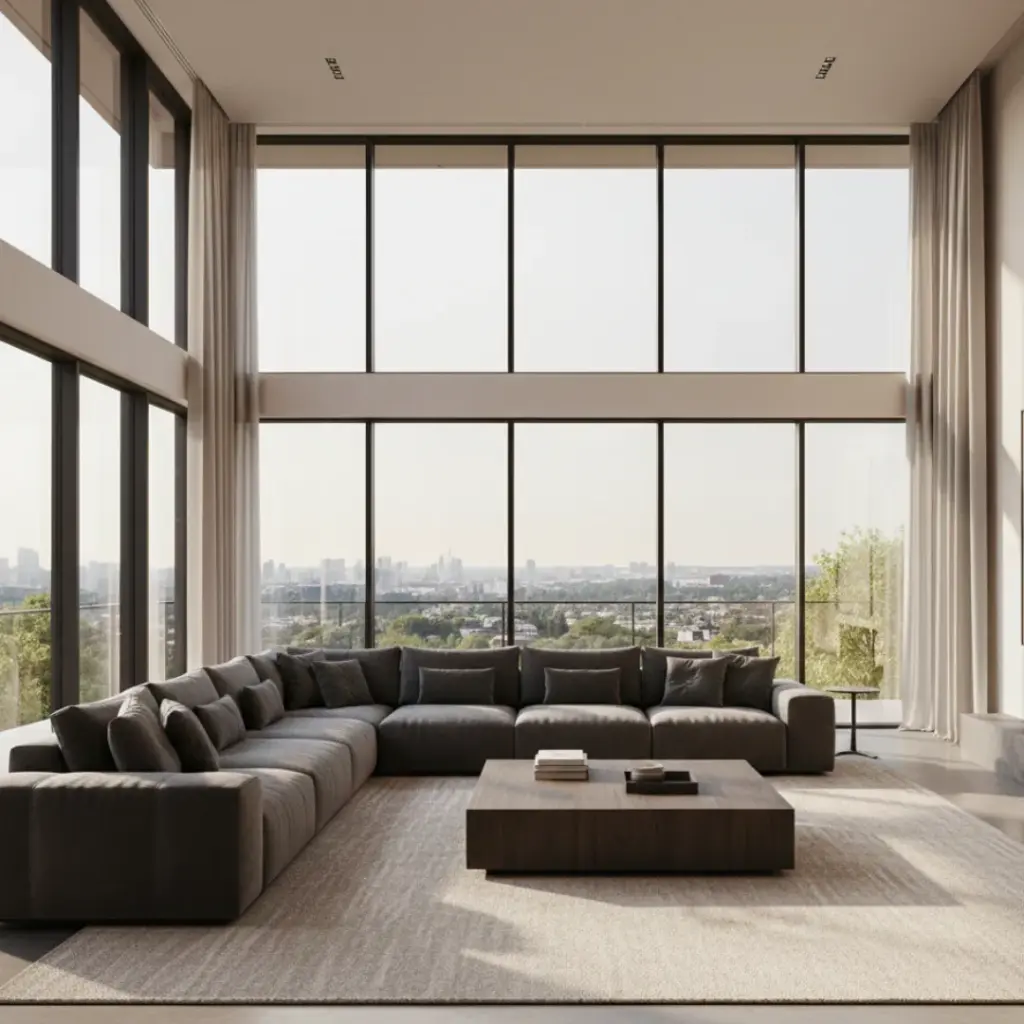
In a big, open room, tiny furniture looks like dollhouse rejects.
You need substantial pieces that can hold their own against the high ceilings and wide-open views.
Think oversized sectionals and chunky coffee tables that command attention.
Does a small armchair look lonely in a 400-square-foot space? Yes, it does.
Don’t be afraid to go big; it actually makes the room feel more organized and balanced.
6. Create “Pathways” for Traffic
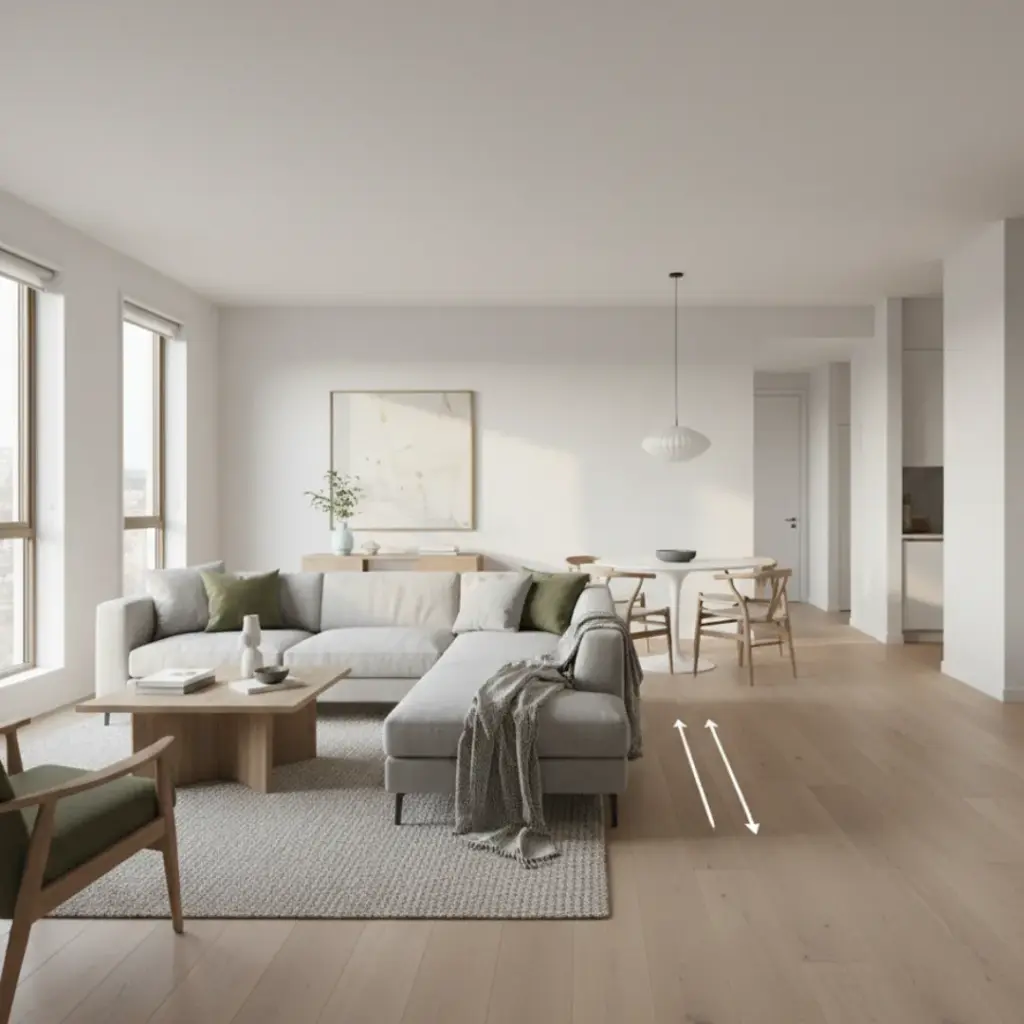
Just because there aren’t walls doesn’t mean you should walk through the middle of a conversation.
I design my layouts by leaving at least 3 feet of “walking space” between furniture groupings.
This naturally guides people around the room rather than through the seating area.
Think of your floor plan like a map.
If you’re constantly bumping into the corner of the dining table to get to the fridge, your layout needs a rethink.
7. Use Double-Sided Furniture
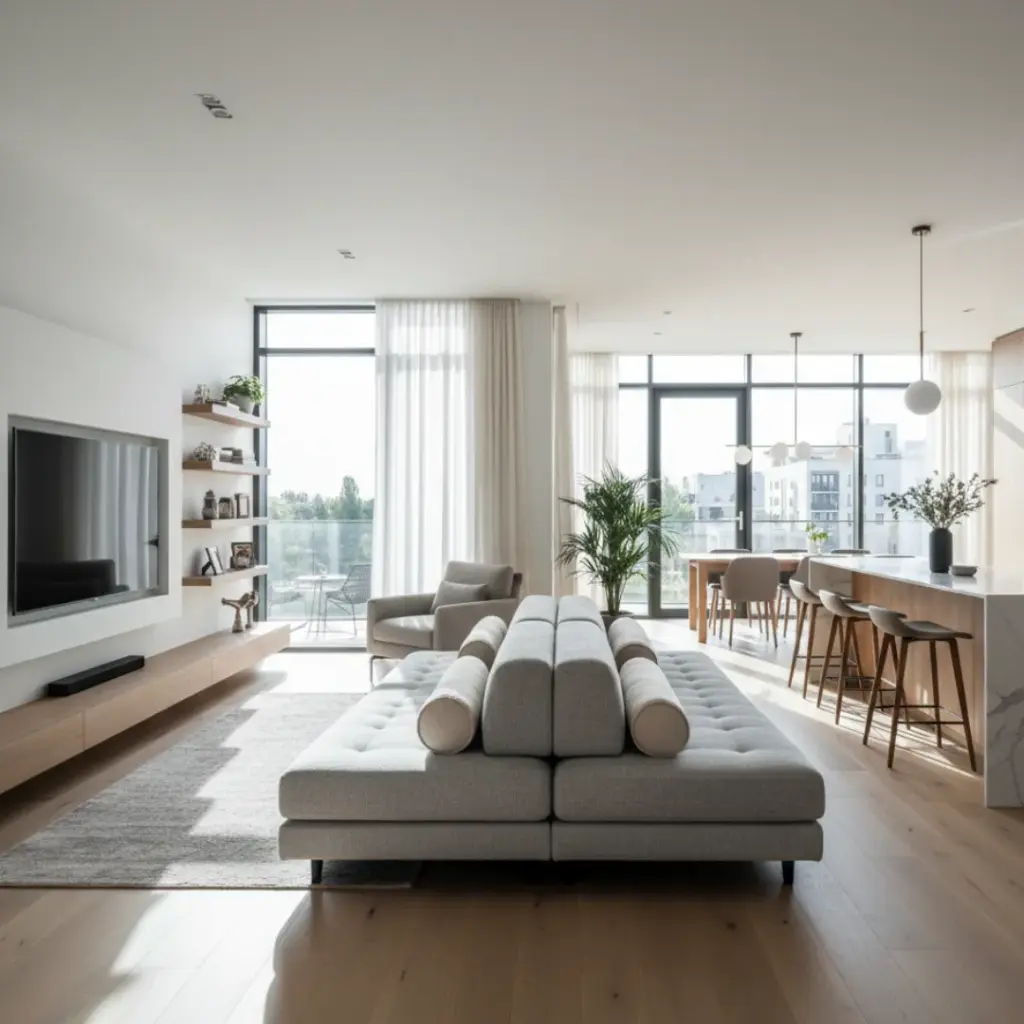
Have you considered a daybed or a backless bench?
These pieces are brilliant because they provide seating without blocking the line of sight.
They act as a bridge between two zones, allowing people to face either direction depending on the vibe.
It’s the ultimate flexible furniture hack.
You can chat with the cook in the kitchen or turn around to join the movie marathon in the living room.
8. Incorporate Built-In Storage
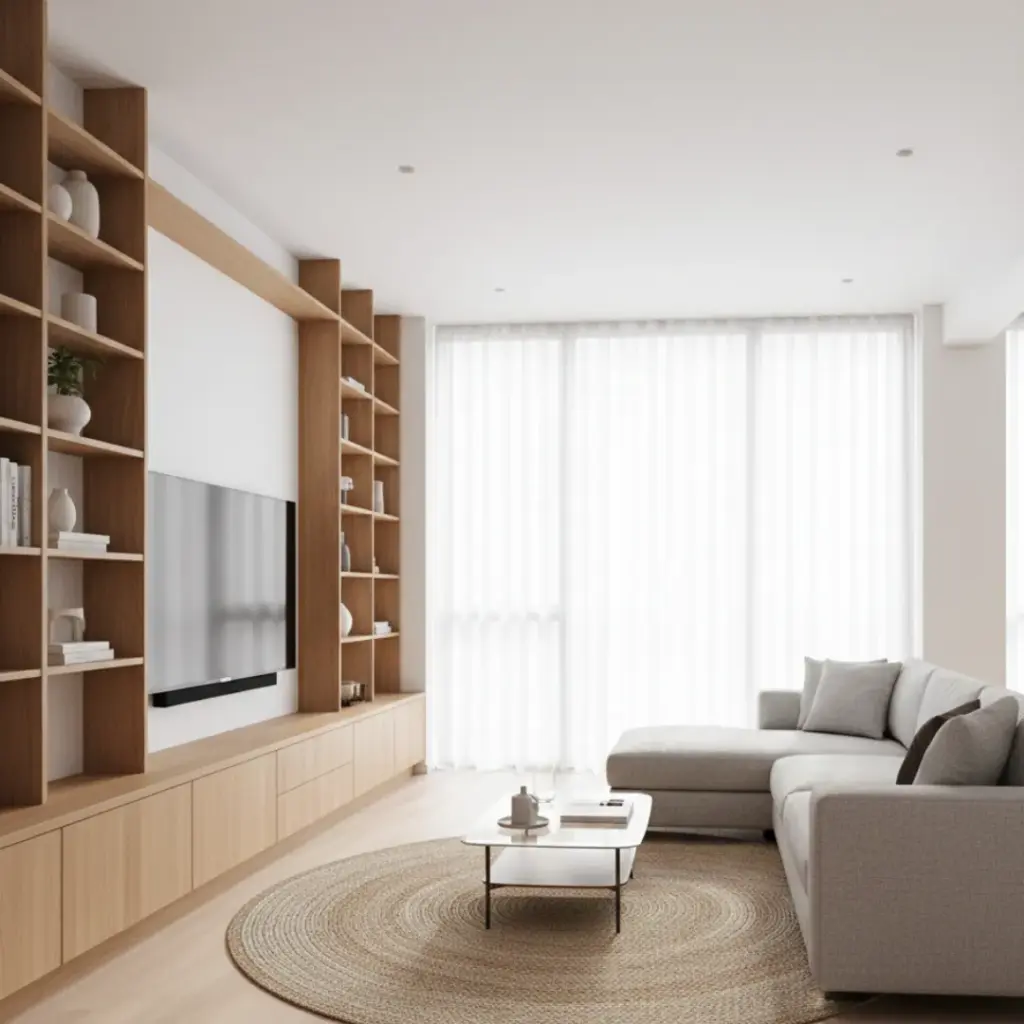
Open concepts often lack the wall space needed for traditional bookshelves.
I solve this by adding built-in cabinetry under windows or along the few remaining walls.
This keeps the clutter at bay, which is vital when everything is on display.
Essential Storage Tips:
- Use floor-to-ceiling shelving to draw the eye upward.
- Hide tech cables behind “media-ready” cabinetry.
- Opt for drawers over shelves to keep small items out of sight.
9. Bring in Vertical Elements
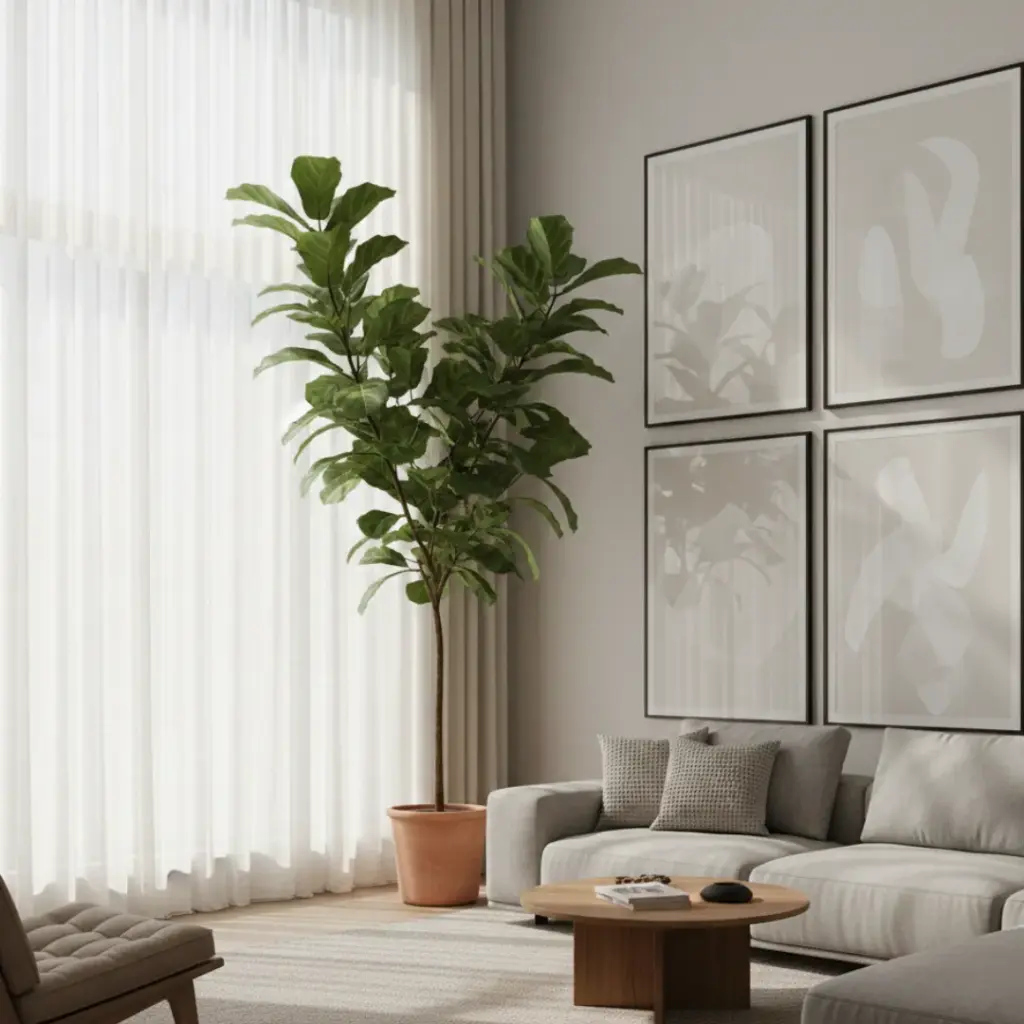
When the walls are gone, you lose the vertical “frames” for your decor.
I like to use tall indoor trees or floor-to-ceiling curtains to add some height back into the room.
It stops the space from feeling too “flat” or one-dimensional.
Ever felt like your furniture is huddled on the floor?
Tall plants or a high-hanging art gallery can pull the eye up and celebrate the volume of the room.
10. Repeat Materials for Harmony
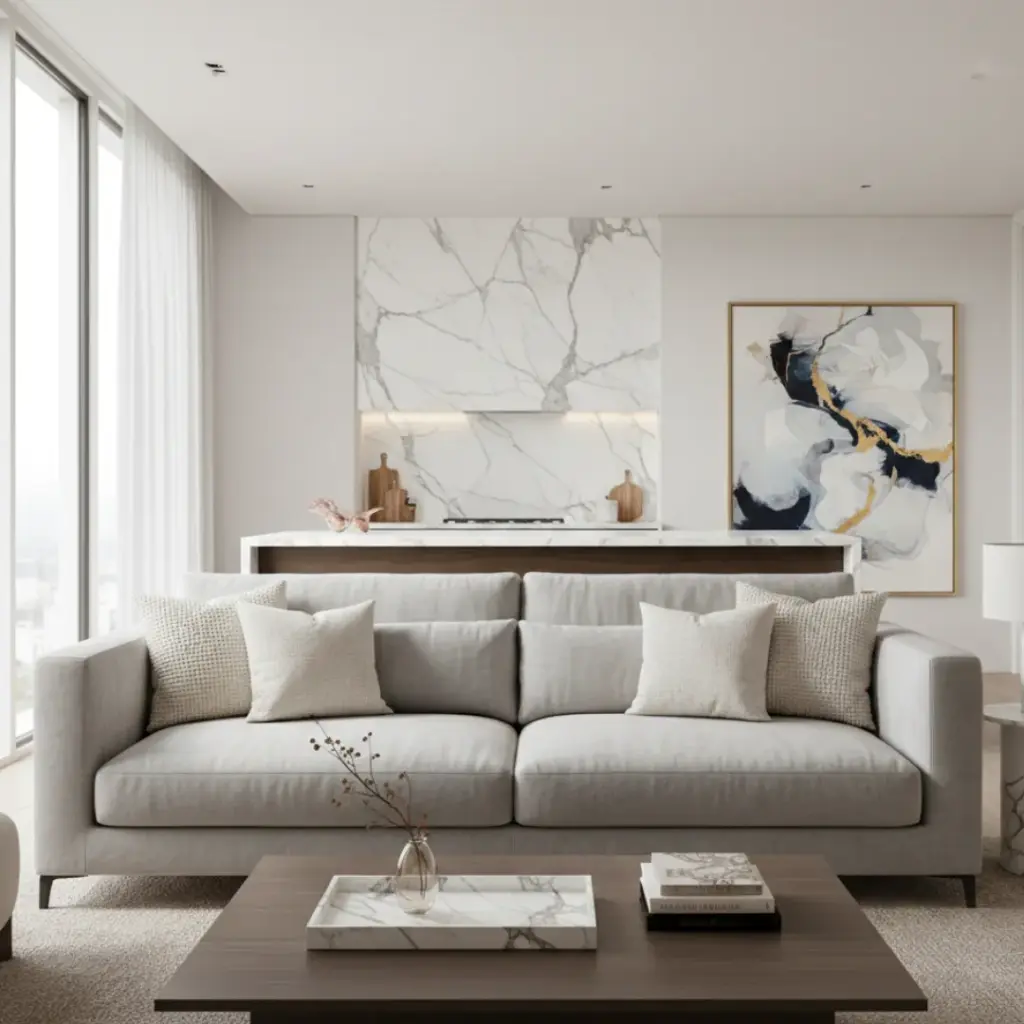
If your kitchen island has a marble top, try using a marble tray or a marble-base lamp in the living area.
Repeating materials is a subtle way to “stitch” the different zones together.
It feels intentional, like you actually planned it that way.
It’s all about those tiny visual echoes.
They create a sense of calm and luxury that makes the whole space feel high-end and curated.
11. The Ceiling Treatment Trick
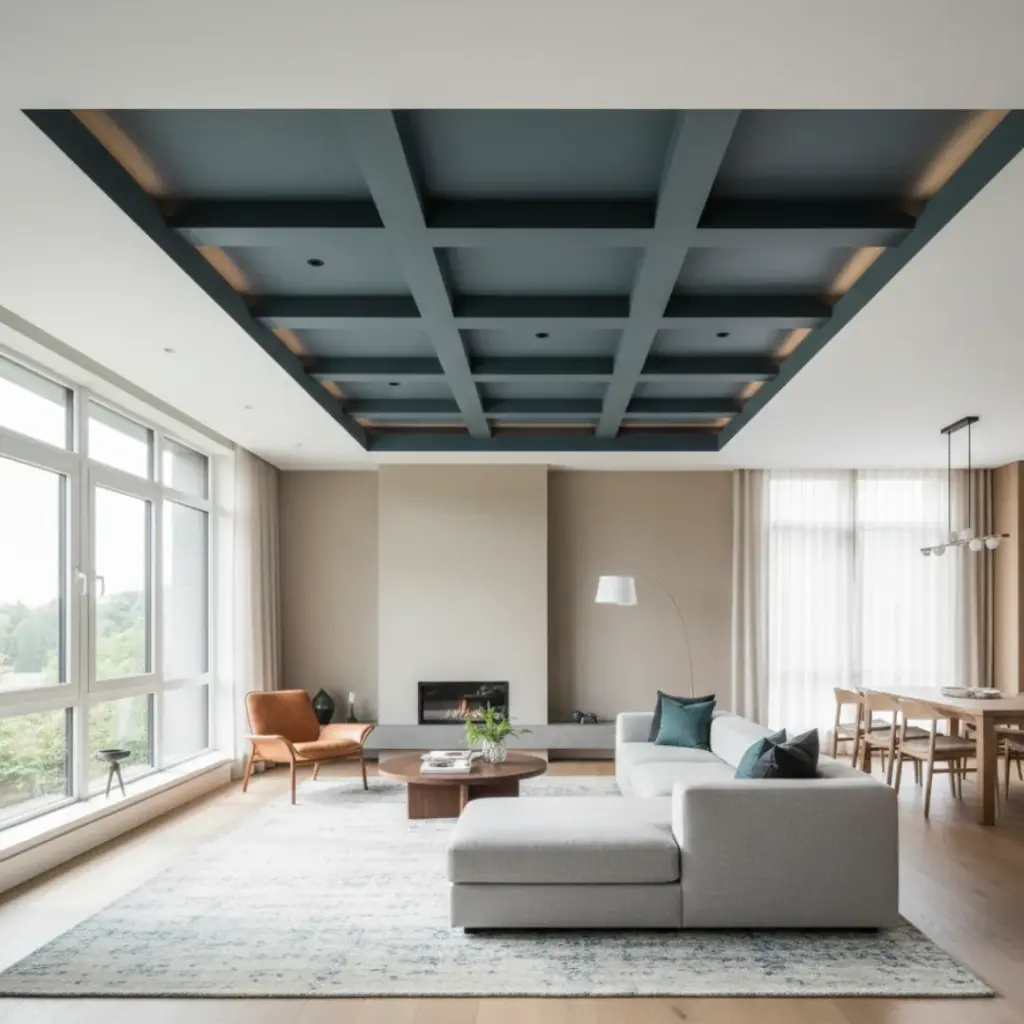
If you really want to define a zone without building a wall, look up.
Adding a coffered ceiling or a different paint color over the living area creates a “ceiling zone.”
It’s a bold move, but it pays off in architectural interest.
Why let the floor have all the fun?
A change in ceiling height or texture tells the story of the room’s function just as well as a rug.
12. Strategize Your Focal Points
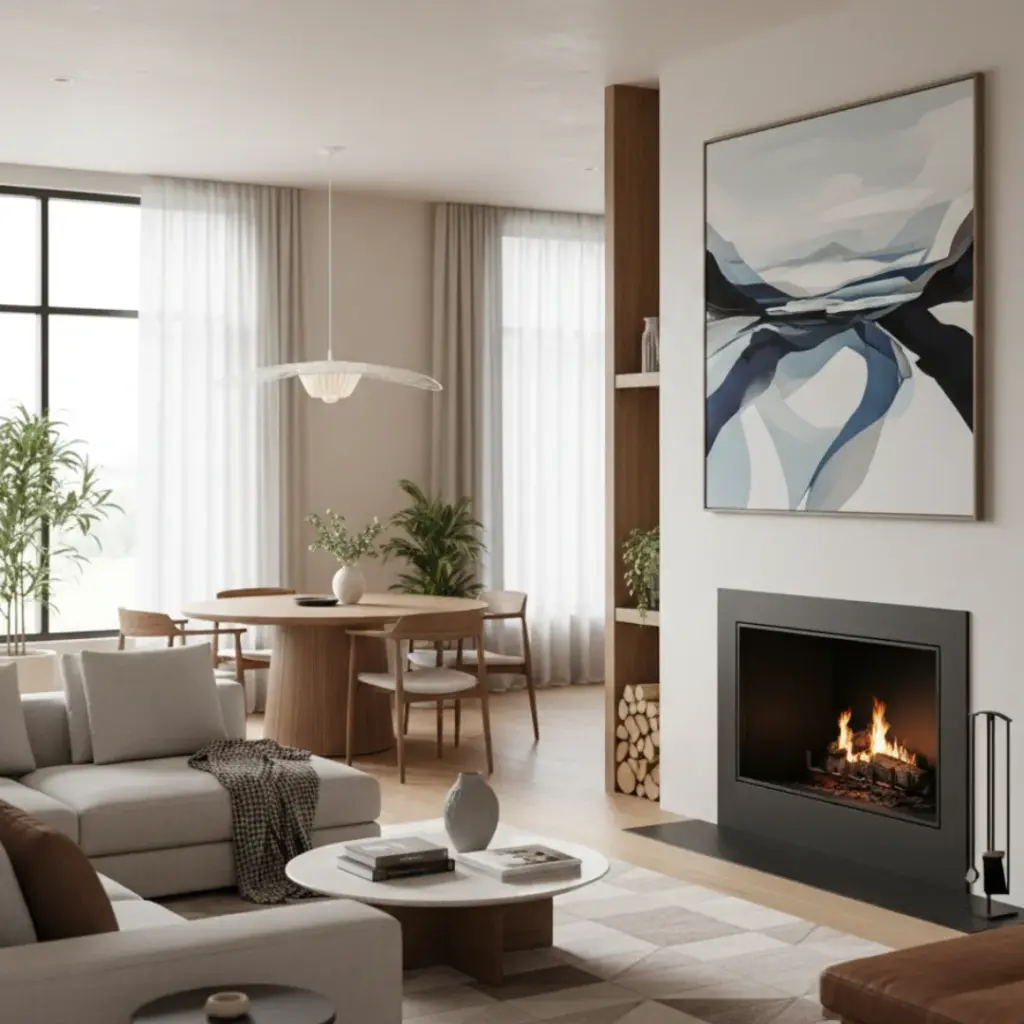
Every zone needs a “star of the show.” In the living area, it might be the fireplace; in the dining area, a massive piece of art.
I make sure these focal points don’t compete with each other for your attention.
If everything is shouting for your gaze, nothing stands out.
Pick your “hero” pieces carefully to create a balanced, peaceful environment that feels lived-in but polished.
13. Incorporate Mobile Furniture
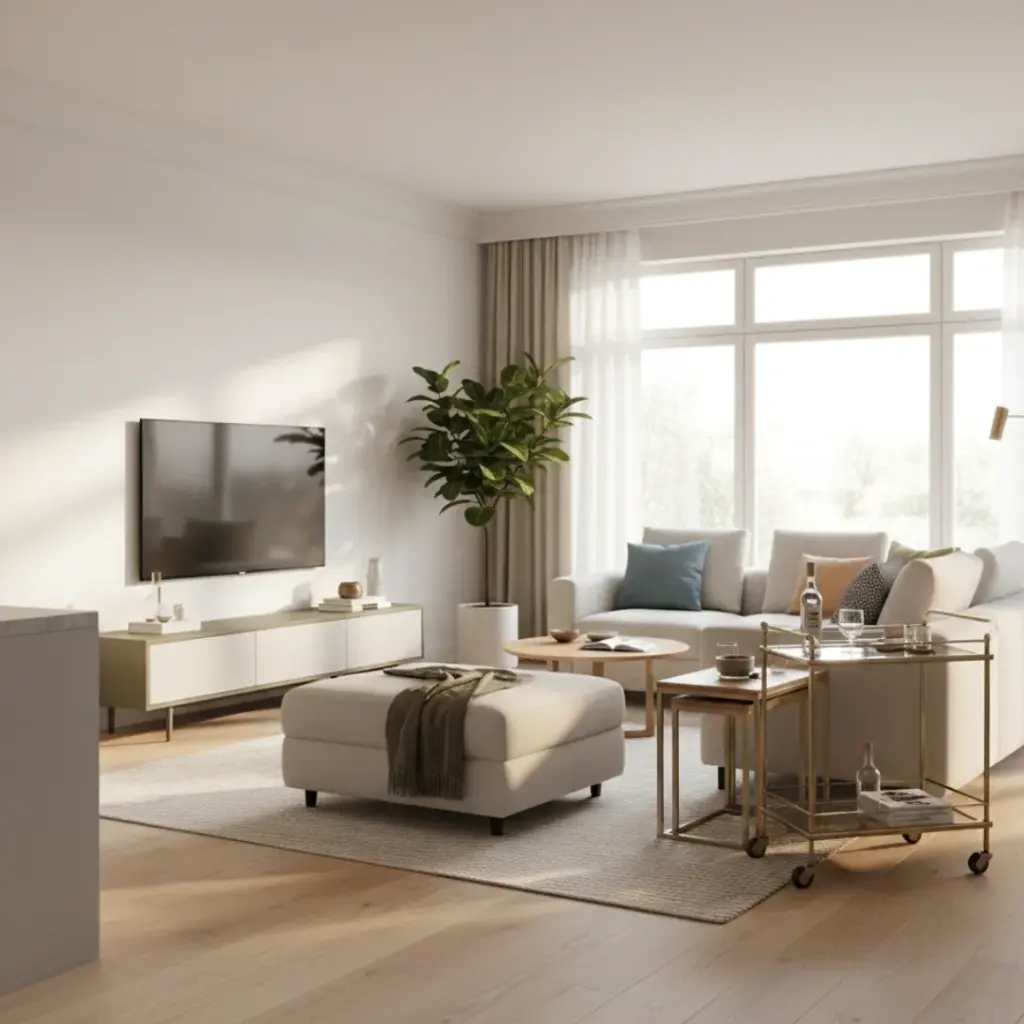
I’m a huge fan of bar carts and ottomans on wheels.
In an open-concept home, your needs change depending on whether you’re hosting a party or having a quiet night in.
Mobile pieces allow the room to evolve with your lifestyle.
Top Mobile Must-Haves:
- Bar carts that can move from the kitchen to the lounge.
- Ottomans that tuck under tables and slide out for extra guests.
- Nesting tables for flexible surface space during gatherings.
Creating a functional open-concept space is really just a puzzle without the box for reference.
Once you master the “zoning” and the scale, it becomes the most lived-in part of the house.
FYI, if you need help picking a rug size that doesn’t look like a postage stamp, just let me know!